
Oliver McGowan Training: What Care Providers Must Do
Every CQC-registered provider must train its staff in learning disability and autism. What the law says, the two tiers of Oliver McGowan training, who needs which, how often staff retake it, and the records CQC will ask to see.
By HeroDocs Team
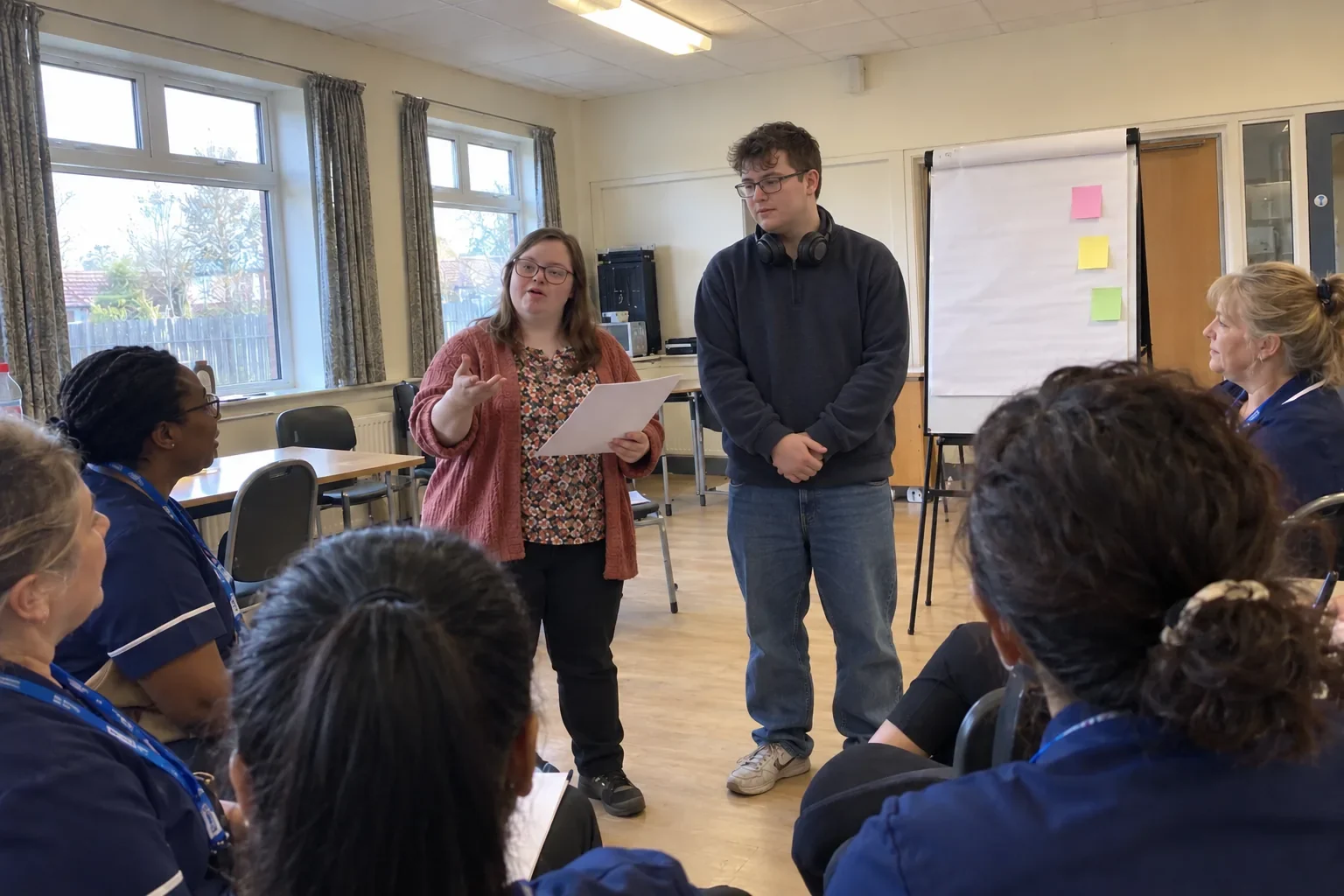
Oliver McGowan training is the government's recommended way to meet a legal duty that has applied since 1 July 2022. Every CQC-registered provider must make sure its staff receive training on learning disability and autism that is appropriate to their role. The duty covers all services and settings, not only specialist ones, and it reaches cooks, cleaners and office staff as well as carers.
Since 6 September 2025, a statutory code of practice has spelled out what "appropriate to the role" means. CQC uses that code when it decides whether you meet Regulation 18. You are not forced to buy this exact package, but whatever training you choose has to meet the same four standards. If you do not follow the code, the onus is on you to explain why.
Where the legal duty comes from
Section 181 of the Health and Care Act 2022 added the duty to the Health and Social Care Act 2008, and until separate regulations are made, the law reads it into Regulation 18 of the Health and Social Care Act 2008 (Regulated Activities) Regulations 2014. That is the staffing regulation, so a gap in this training is a possible breach of Regulation 18.
The same section told the Secretary of State to issue a code of practice. The code covers what the training must contain and what different roles need. It also sets when training must happen in person, and how people with a learning disability and autistic people help deliver it.
The training carries Oliver McGowan's name. He died in 2016, and his death showed how much health and care staff needed better training to support autistic people and people with a learning disability.
The two tiers of Oliver McGowan training
The Oliver McGowan Mandatory Training comes in two tiers. Both start with the same 90-minute e-learning module and differ only in the live part that follows.
Tier 1 | Tier 2 | |
|---|---|---|
Who it is for | Staff who need a general awareness of learning disability and autism | Staff who may need to provide care and support to people with a learning disability or autistic people |
E-learning | 90 minutes | 90 minutes |
Live training | A one-hour interactive session, which can be online | One full day, face to face |
Who delivers the live part | At least one person with a learning disability and one autistic person | At least one person with a learning disability and one autistic person |
The one-hour Tier 1 session can run online. For Tier 2 the code is firm: the day is in-person training, and the trainers must deliver it in the room.
Staff of registered services can do the e-learning free on NHS England's e-Learning for Healthcare site. The live sessions come from training providers. NHS England keeps a list of providers offering the standard package. The code says you must either buy the training from an accredited provider or become an accredited provider yourself.
Who needs Oliver McGowan Tier 1 and who needs Tier 2
The code ties the tier to the level of contact someone has, not to their job title. Staff who may need to provide care and support to someone with a learning disability or an autistic person point to Tier 2. Tier 1 fits staff who only need general awareness.
In adult social care, the code's own examples set the bar high:
Support workers and care assistants are on the code's Tier 2 list.
Care home staff are likely to need Tier 2, the code says, so they can make the home accessible to residents and visitors who may be undiagnosed. That covers a cook or administrator who meets residents. Staff who do not meet the public, such as laundry or garden staff, may need only Tier 1.
In a domiciliary care agency, the code says all staff who have contact with the public are likely to need Tier 2.
A registered manager leading a learning disability service needs Tier 2 as a minimum. The code maps registered managers who lead these services to tier 3 capabilities, so plan further training on top.
Remember that staff can meet an autistic person or someone with a learning disability without knowing it. CQC expects you to plan for that, which is why the duty applies even when nobody on your current list of people you support has a diagnosis.
Some roles need more than Tier 2. Oliver McGowan training does not teach diagnosis, interventions or treatment, so staff who do that work need further routes such as apprenticeships or subject-specific courses.
Write down why when you decide someone needs no training
You may decide a member of staff does not need this training at all. CQC says it expects you to show a record of how you reached that decision if it asks.
Keep it short and specific. Name the role, say why the person will not have contact with people with a learning disability or autistic people, and date it. CQC's guidance gives receptionists, security guards, cooks and cleaners as examples of staff the duty can reach, so very few roles in a care service will truly fall outside it.
How often staff must retake it
Staff must retake the training at least every three years. They should retake it sooner if their role or responsibilities change, if they are promoted or move teams, or if you spot a learning need. The code makes you responsible for noticing when someone needs it earlier and for giving them the time and a computer to do it.
Because the package is standard, a new starter who completed it with a previous employer does not need to repeat it until their three years are up. Ask for the certificate and completion date at interview, and add both to your training records.
What CQC checks at inspection
CQC says it will look at your training records and at Regulation 18 compliance. Where staff have been trained, inspectors look at how you check that they are competent and putting what they learned into practice. Where staff have not been trained yet, inspectors ask what you have done to reduce the risk to people in the meantime, and what your plan is to close the gap.
For a person with a learning disability or an autistic person, inspectors also look at:
how you get consent to care and treatment
whether care meets the person's needs and reflects their preferences
whether care is safe and staff treat the person with dignity and respect
how you protect the person from abuse
Your training records are one part of what they weigh.
If staff have not received training appropriate to their role, CQC states that you may be in breach of Regulation 18. Departing from the code is allowed, but the onus is on you to explain why. Where that is appropriate, CQC will consider whether you protect people in another, equally effective way.
A five-step plan for registered managers
List every role. Include night staff, bank staff, kitchen, domestic and office roles, not only carers.
Set a tier for each role. Write a one-line reason for each, including any role you judge needs no training.
Book the training. Staff do the e-learning first, then the live session or day with a provider from NHS England's list.
Record dates. Log each completion and set a reminder for three years later.
Check it took. In supervision, ask one practical question, such as what reasonable adjustment a person might need at a GP appointment.
Then update your training and development policy and your induction checklist so new starters follow the same route. Our staff induction record and checklist is a good place to start.
Where HeroDocs fits
HeroDocs does not deliver Oliver McGowan training, and it is not a training matrix. It looks after the policies that sit around the training. You can update your training and development policy to name the tiers and the three-year retake, then send it for sign-off and see who has signed. That gives you a dated record that staff know the rule, alongside the certificates in your training records.
If you support autistic adults or people with a learning disability, our guide to supported living for young adults with learning disabilities and autism covers the wider policy set.
FAQ
Is Oliver McGowan training mandatory?
The duty to train staff in learning disability and autism is mandatory by law for every CQC-registered provider. The Oliver McGowan package itself is the government's preferred and recommended way to meet it. You can use other training, but it must meet the code's four standards. If you do not follow the code, CQC expects you to explain why.
Is Oliver McGowan training free?
The 90-minute e-learning is free for staff of registered services on NHS England's e-Learning for Healthcare site. The live Tier 1 session and the Tier 2 day are run by training providers, so ask the provider you choose what they charge.
Is the e-learning enough on its own?
No. The code says every member of staff needs live, interactive training on top of the e-learning. That means at least one hour for Tier 1 and at least one day in person for Tier 2, both co-delivered by people with lived experience.
Do we need it if nobody we support has a learning disability?
Yes. The duty covers all services and settings. Autistic people and people with a learning disability use every kind of care service, and your staff may also meet them as relatives or visitors.
Last checked: 21 October 2026.
Sources
legislation.gov.uk, Health and Care Act 2022, section 181
CQC, Training staff to support autistic people and people with a learning disability
NHS England, The Oliver McGowan Mandatory Training on Learning Disability and Autism
e-Learning for Healthcare, The Oliver McGowan Mandatory Training e-learning